In this article we will talk about complete vitamin list, each of the vitamin functions, sources of vitamin, vitamin deficiencies and other important informations.
Vitamin List: A (Retinol, Beta-carotene)
Functions of Vitamin A
Maintain normal vision, immune response, antioxidant activity, skin and mucous membrane health and maintenance, formation of bones and teeth, good appetite, normal digestion, reproduction, lactation, formation of red and white blood corpuscles.
Sources of Vitamin A
Preformed vitamin A is only found in animal foods such as liver, fish-liver oils, butter, cream and egg yolks.
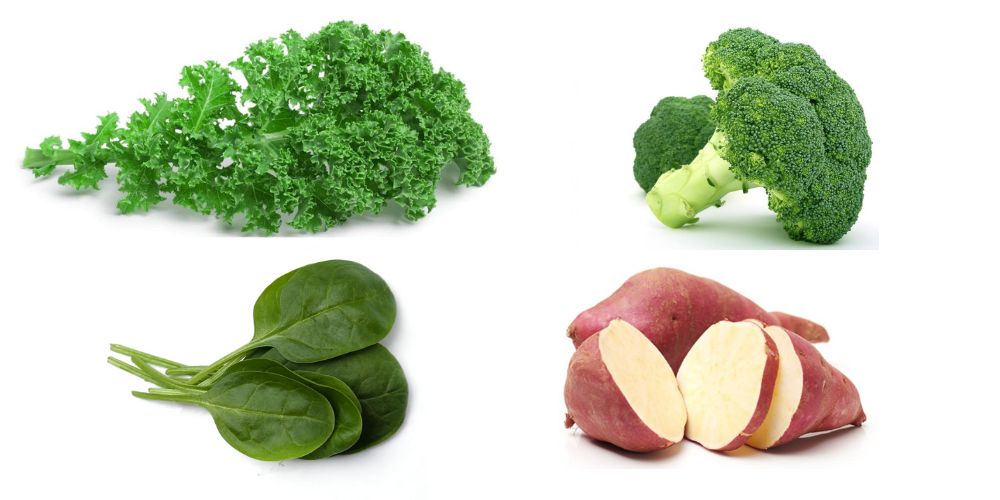
Precursors to vitamin A are found in foods of plant origin such as carrots, sweet potatoes, canteloupe, corn, kale, collard greens, spinach and other dark green leafy vegetables, apricots, mangos, papayas, peas and broccoli.
Signs of Vitamin A Deficiency
Night blindness, visual impairment (in extreme cases total blindness), dryness of eyes, dry and scaly skin, skin eruptions and acne, impaired immunity, impaired taste and smell, urinary stones, abnormal growth of teeth and bones.
Other info:
Plants contain beta carotene instead of vitamin A. Beta carotene is converted to vitamin A in the intestine and then absorbed by the body. Vitamin A is needed in proportion to body weight. Men need more than women, adults more than children. It’s important to note that protein can’t be utilized by your body without Vitamin A.
Vitamin List: D (Calciferol)
Functions of Vitamin D
Vitamin D helps to maintain proper blood levels of phosphorus and calcium and is important for skeletal growth and healthy, strong bones and teeth.
Sources of Vitamin D
Dietary sources of vitamin D are cod liver oil, salmon, mackerel, sardines, free range eggs, fortified milk and other fortified foods. Daily sun exposure also contributes to the synthesis of vitamin D, enough so as to possibly prevent deficiencies.
Signs of Vitamin D Deficiency
Severe vitamin D deficiency in infants and children can result in rickets, which causes skeletal deformities. Moderate deficiency may contribute to osteomalacia and osteoporosis, particularly in the elderly.
Other info:
Vitamin D is found in food, but is also manufactured by your body through exposure to the sun’s ultraviolet (UV) rays. If you get adequate exposure to sunlight, you don’t require vitamin D supplementation. But sunscreens with an SPF (sun protection factor) of 8+ will block UV rays that produce vitamin D. And if you live in northern latitudes or lack exposure to sunlight for whatever reason, you are at risk of vitamin D insufficiency unless you supplement through dietary sources.
Vitamin List: E (Tocopherol)
Functions of Vitamin E
Vitamin E is a family of vitamins (made up of tocopherols and tocotrienols) with antioxidant properties. Of these, alpha-tocopherol is the one with the highest bioavailability and the form your body prefers to absorb and utilize. Vitamin E inhibits oxidation damage and protects your cells against the effects of free radicals. It’s needed by your body to form the nucleus of each cell, including DNA and RNA. Vitamin E helps to reduce the formation of scar tissue and adhesions, plays a role in immune function, supports healthy skin, promotes normal clotting and healing, and aids in cell signaling.
Sources of Vitamin E
Vitamin E is abundant in food. It’s found in cold-pressed vegetable oils (soybean, wheat germ, safflower and sunflower seed), raw sunflower seeds and almonds, sprouted seeds, whole grains, eggs, butter, fish, olives, papaya, and green leafy vegetables (mustard greens, turnip greens, swiss chard, spinach, kale, collard) brussel sprouts, broccoli and blueberries.
Signs of Vitamin E Deficiency
A major cause of premature births is the lack of vitamin E in mothers. A lack of vitamin E can also cause anemia in infants. Limited amounts of vitamin E are transferred across the placenta placing newborns at increased risk of vitamin E deficiency. Vitamin E deficiency can produce ceroid pigmentation, muscle weakness, slow reflexes and impaired coordination, difficulty walking, malabsorption, liver or gallbladder problems.
Other info:
Storage, freezing, heating and exposure to air all cause loss the of vitamin E (with the exception of alpha tocopherol). 98% of mixed tocopherols are destroyed by frying in oil. Vitamin E can’t be absorbed without the simultaneous presence of fat and bile in the gut.
Vitamin List: K (Naphthoquinone)
Functions of Vitamin K
There are two forms of vitamin K. Vitamin K1 is the plant form and vitamin K2 is synthesized from the plant form by the bacteria in your intestines. Vitamin K is necessary for healthy blood clotting and plays a role in preventing osteoporosis by building bone mass.
Sources of Vitamin K
Vitamin K is produced by intestinal bacteria. It’s also found in dark green leafy vegetables (swiss chard, spinach, collard greens, turnip greens, mustard greens), brassica (kale, cabbage, broccoli, brussel sprouts), soybeans, blackstrap molasses, cow milk, liver, egg yolks, oats, rye, safflower oil and green tea.
Signs of Vitamin K Deficiency
Hemorrhages in any part of your body may be produced by a deficiency of vitamin K. Vitamin K deficiency bleeding (VKDB) is a rare (and potentially life-threatening) bleeding disorder that may result from vitamin K deficiency in newborns.
Other info:
Oral antibiotics are known to destroy intestinal bacteria, interfering with the production of vitamin K. If you have taken oral antibiotics, be sure to eat yoghurt, acidophilis or probiotics on a daily basis to build your intestinal bacteria back up again. Infants that are breast-fed are particularly prone to vitamin K deficiency being they don’t yet have sufficient bacteria in their intestinal tract to produce vitamin K, and mother’s milk is low in this vitamin.
Vitamin List: C (Ascorbic Acid)
Functions of Vitamin C
Vitamin C (also known as ascorbic acid) is vital for your body’s growth, development and tissue repair. It helps to form and maintain collagen which is an important protein that your body uses to make blood vessels, skin, ligaments, tendons, bone and scar tissue.
The synthesis of the neurotransmitters norepinephrine and serotonin is dependent upon the presence of vitamin C. Vitamin C is also an important antioxidant that is known to protect your body’s cells from free radical and oxygen-based damage generated during normal metabolism as well as through exposure to toxins and pollutants. Vitamin C enhances the immune system, helps to absorb iron, breaks down histamine, aids in wound healing, helps to maintain healthy gums and teeth.
Sources of Vitamin C
Sources of vitamin C include citrus fruits (such as grapefruits, oranges and lemons), papaya, strawberries, parsley, bell pepper, broccoli, kale, cauliflower, mustard greens and brussel sprouts.
Signs of Vitamin C Deficiency
Soft gums, skin hemorrhages, nosebleeds, poor wound healing, increased susceptibility to colds and infections, respiratory infections and lung-related conditions. Scurvy can result from a severe vitamin C deficiency.
Other info:
People vary greatly in their vitamin C requirement. Your body can’t store vitamin C, therefore it’s important to get the amount your body needs on a daily basis in order to stay healthy. Bioflavinoids are thought to enhance the efficacy of vitamin C.
Vitamin List: B1 (Thiamin)
Functions of Vitamin B1
The function of vitamin B1 is to help change glucose (carbohydrates) into energy or fat. It’s essential for heart, muscle and neural function.
Sources of Vitamin B1
Good sources of vitamin B1 are liver, yeast, whole grains (oatmeal, brown rice, rye, wheat), sunflower seeds, legumes, tuna, asparagus, spinach, romain lettuce, kale, brussel sprouts, cauliflower, mushrooms, green peas, potatoes, tomatoes, plums, oranges and raisins.
Signs of Vitamin B1 Deficiency
Early signs of vitamin B1 deficiency are tiredness, weakness, resting tachycardia, nausea, digestive disturbances, irritability, confusion, sleep disturbances and weight loss. Beriberi is a severe thiamin deficiency disease. Symptoms include mental depression, loss of appetite, fatigue, confused thinking, forgetfulness, irritableness, digestive disturbances, heart abnormalities, neuritis. Cerebral beriberi can lead to Wernicke’s syndrome, a degenerative brain disorder and Korsakoff’s amnesic syndrome (memory disorder). Both of these disorders are associated with chronic alcoholism.
Other info:
Decreased levels of vitamin B1 may result from the use of antibiotics, oral contraceptives and sulfa drugs. Thiamin is easily destroyed by cooking. The longer a food is cooked and the higher the temperature used, the greater the vitamin loss. Poaching and steaming are preferable cooking methods to boiling.
Vitamin List: B2 (Riboflavin)
Functions of Vitamin B2
Vitamin B2 functions as a coenzyme for many of your body’s metabolic processes, assisting in the release of energy from fatty acids, carbohydrates and proteins. It’s essential for the maintenance of healthy mucous membranes and other tissues.
Sources of Vitamin B2
Good sources of vitamin B2 include mushrooms, leafy green vegetables (spinach, romaine lettuce, mustard greens, collard greens, turnip greens, chard), okra, asparagus, bananas, liver, eggs, milk, yogurt, cottage cheese, fish, venison and molasses.
Signs of Vitamin B2 Deficiency
Hypersensitivity to light and other visual problems including cataracts, inflamed magenta or purplish tongue, fissures of the lips, cracking and splitting at the corners of the mouth, whistle marks and atrophied upper lips, dermatitis, hair loss, iron-deficiency anemia and insomnia.
Other info:
Is destroyed when exposed to light, especially ultraviolet light. Sun-drying foods would destroy most of their riboflavin content.
Vitamin List: B3 (Niacin)
Functions of Vitamin B3
Vitamin B3 helps to release the energy from fatty acids, carbohydrates and proteins so that your body can put it to use, the same as vitamins B1 and B2. Vitamin B3 also plays a part in regulating blood sugar levels, maintaining proper blood circulation, healthy skin, healthy functioning of the nervous system and normal digestive functions. The synthesis of certain sex and other hormones such as insulin and cortisone requires vitamin B3.
Sources of Vitamin B3
Dietary sources of vitamin B3 are crimini mushrooms, tuna, salmon, halibut, chicken breasts, liver, lean meat, brewer’s yeast, bran, green vegetables like turnip and beet greens, asparagus, celery, sunflower seeds, peanuts and almonds. Your body is able to manufacture niacin from the amino acid tryptophan. Because tryptophan is found in dairy products such as milk, cheese, yoghurt and eggs, these are also recommended sources of niacin.
Signs of Vitamin B3 Deficiency
Mild niacin deficiency may cause low blood sugar, fatigue, loss of appetite, depression, muscular weakness, forgetfulness, nausea, vomiting, skin outbreaks, mouth sores, digestive disturbances, anemia and headaches. Pellegra can develop as the deficiency deepens. Classic symptoms include a red and swollen mouth and tongue, bloody diarrhea, photosensitive dermatitis, and dementia.
Other info:
The #1 cause of niacin deficiency in the US is alcoholism. High doses of niacin can be toxic and cause liver damage.
Vitamin List: B5 (Pantothenic Acid)
Functions of Vitamin B5
Vitamin B5 is an essential element of conenzyme A. Every cell in your body needs pantothenic acid (vitamin B5) for the important role it plays in changing fats, carbohydrates and proteins into usable energy, keeping your immune system functioning properly, helping to manufacture red blood cells, and producing sex and stress-related hormones (adrenal glands). Your body’s requirement for pantothenic acid increases in proportion to the amount of stress you experience, be it emotional or physical. Vitamin B5 is often referred to as the “anti-stress vitamin” because of its role in supporting your adrenal glands and improving your body’s ability to properly respond to stress.
Sources of Vitamin B5
Small quantities of vitamin B5 are found in most every animal or plant source food. Higher amounts can be obtained from yerba mate, whole grain cereals and breads, brewer’s yeast, wheat germ, bran, beans, calf’s liver, lean meat, poultry, fish, eggs, sunflower seeds, mushrooms, tomato, collard greens, turnip greens, chard, winter squash and corn.
Signs of Vitamin B5 Deficiency
Allergies, low blood sugar (hypoglycemia), abdominal distress, fatigue, insomnia, nausea, “burning foot syndrome”.
Other info:
Pantothenic acid is never toxic. It’s destroyed in canning and is unstable to heat. It’s also destroyed by caffeine and alcohol.
Vitamin List: B6 (Pyridoxine)
Functions of Vitamin B6
Vitamin B6 plays a vital role in antibody production, cell multiplication and maintaining a healthy immune system. It’s necessary for the normal functioning of youre brain and nervous system. Vitamin B6 is needed for the absorption and utilization of fats and proteins, for the synthesis of hemoglobin, histamine and the nucleic acids RNA and DNA. B6 is involved with maintaining a normal level of magnesium in the blood and tissues and helps to maintain normal blood sugar levels. B6 inhibits the formation of homocysteine in your blood.
Sources of Vitamin B6
Brewer’s yeast, wheat bran and germ, blackstrap molasses, banana, spinach, red bell peppers, turnip greens, garlic, kale, collard greens, broccoli, asparagus, cabbage, celery, cayenne pepper, tuna, liver, chicken, turkey, salmon, cod and halibut.
Signs of Vitamin B6 Deficiency
Skin disorders (including eczema, seborrheic dermatitis, sore lips, mouth and tongue), anemia, fatigue, mental depression, nerve-related symptoms (convulsions, seizures, tics, tremors, carpel tunnel syndrome).
Other info:
The need for vitamin B6 increases sharply during pregnancy and with the use of oral contraceptives. Alcohol destroys vitamin B6 and increases its loss from the body, putting alcoholics at risk for vitamin B6 deficiency. Large amounts of vitamin B6 are lost in canning, cooking, long storage and exposure to light.
Vitamin List: B7 (Biotin)
Functions of Vitamin B7
Biotin helps your body to metabolize fats, carbohydrates and proteins. It aids in cell growth, helps to transfer carbon dioxide and plays a role in maintaining steady blood sugar levels. Healthy hair, nails and skin rely upon sufficient quantities of vitamin B7.
Sources of Vitamin B7
Brewer’s yeast, liver and royal jelly are rich sources of biotin. Other sources of vitamin B7 include whole grains, swiss chard, romaine lettuce, tomatoes, carrots, cauliflower, cabbage, cucumber, onions, eggs, chicken, milk and almonds.
Signs of Vitamin B7 Deficiency
Symptoms attributed to biotin deficiency are hair loss and alopecia (partial or complete baldness), dry skin, cradle cap in infants, seborrheic dermatitis in adults, extreme fatigue, nausea, lack of muscle coordination, muscular pains (myalgias), seizures and mild depression.
Other info:
Vitamin B7 is also referred to as vitamin H. Biotin deficiency can be caused by consuming an excess amount of raw egg whites (they contain a substance called avadin that binds biotin in the intestinal tract and prevents it from reaching the blood). Cooking egg whites prevent this this scenario. Prolonged use of certain drugs (anti-seizure medications) and oral antibiotics are associated with biotin deficiency. Eating rancid fats inhibits the absorption of biotin.
Vitamin List: B9 (Folic Acid)
Functions of Vitamin B9
Vitamin B9 is also known as folic acid or folate. Folate is the natural form of vitamin B9 found in foods. Folic acid is the synthetic form of folate that is added to supplements or used to fortify cereals, breads and many other grain products. For any kind of growth or healing to take place in your body, folic acid is necessary. Cell division, production of red blood cells and the synthesis of RNA and DNA also require folic acid, making this nutrient vital to the normal development of a fetus. Folic acid plays a role in the synthesis and metabolism of proteins and helps to prevent the build-up of homocysteine in your blood.
Sources of Vitamin B9
Liver, brewers yeast, green leafy vegetables (spinach, romaine lettuce, collard greens, turnip greens), lentils, beans (pinto, garbanzo, navy, kidney, black, lima) kelp, broccoli, asparagus, beets, cauliflower, papaya, oranges, raspberries, strawberries, cantaloupe and grapefruit.
Signs of Vitamin B9 Deficiency
Folic acid deficiency is one of the most common of all vitamin deficiencies. If you’re obtaining too little folic acid, you’re at risk for developing weakness, fatigue and anemia, headaches, dizziness, mental depression, difficulty concentrating, palpitations, shortness of breath, pallor, greyish-brown skin pigmentation and diarrhea.
Pregnancy complications (e.g. neural tube defects such as spina bifida or spontaneous abortions) may result from a deficiency of folic acid leading up to and during pregnancy. A folate deficiency can mask a vitamin B12 deficiency which can have very serious consequences, the symptoms are very similar, so it’s advisable to have folic acid deficiency confirmed by a health professional.
Other info:
Factors that contribute to folic acid deficiency are the use of oral contraceptives, poor diet, alcoholism, drugs and pharmaceuticals that impair the absorption of folate, malabsorbtion disorders and diseases that cause low stomach acid. Pregnancy and lactation greatly increase the body’s need for folic acid, as well as infancy and other periods of high growth. The elderly are particularly susceptible to folic acid deficiency because of changes in the digestive tract and other age-related difficulties.
Vitamin List: B12 (Cobalamine)
Functions of Vitamin B12
Also known as Cobalamin, vitamin B12 is necessary for the synthesis of DNA and formation of blood cells. It’s also vital for the function and maintenance of the nervous system, for protein synthesis and for fat and carbohydrate metabolism. B12 is thought to protect against atherosclerosis by lowering homocystein
Sources of Vitamin B12
Aside from being synthesized by bacteria in your intestinal tract, vitamin B12 occurs exclusively in animal source foods including meat, poultry, fish, milk and milk products and eggs, liver being the richest source of vitamin B12. There are plant sources containing B12, but it’s generally believed that the B12 in these plant foods can’t be metabolized by humans. Vegans must therefore supplement with vitamin B12 to maintain healthy levels.
Signs of Vitamin B12 Deficiency
Anemia, fatigue, nausea, intermittent constipation and diarrhea, loss of appetite, abdominal pain, weight loss, sore mouth and tongue, depression, anxiety, insomnia, poor memory, dementia, psychosis, neuritis, menstrual disturbances, unpleasant body odor, back stiffness and pain, numbness and tingling in the hands and feet, difficulty walking, spinal cord degeneration, gradual neurological complications, irreversible paralysis.
Other info:
Vitamin B12 deficiency is a common problem amongst the elderly and others with decreased absorption due to gastric dysfunctions. It has also been associated with long-term use of acid suppressive drugs.
Bottom line
We hope that you have learned how many vitamins are there, vitamins in food and how to get vitamins found in various food sources. It is always best to seek advices from medical professionals if you see any of the vitamin deficiencies mentioned above. Happy healthy eating!