Proteins are essential to good health. An adequate intake of proteins will make your life easier in so many ways. This is one macronutrient you want to make sure you are getting enough of.
Your body is made of protein
Proteins are essential to your diet. Aside from water, they’re the most plenteous substance in your body. They’re found in every cell and tissue and are responsible for most of your cells’ functions.
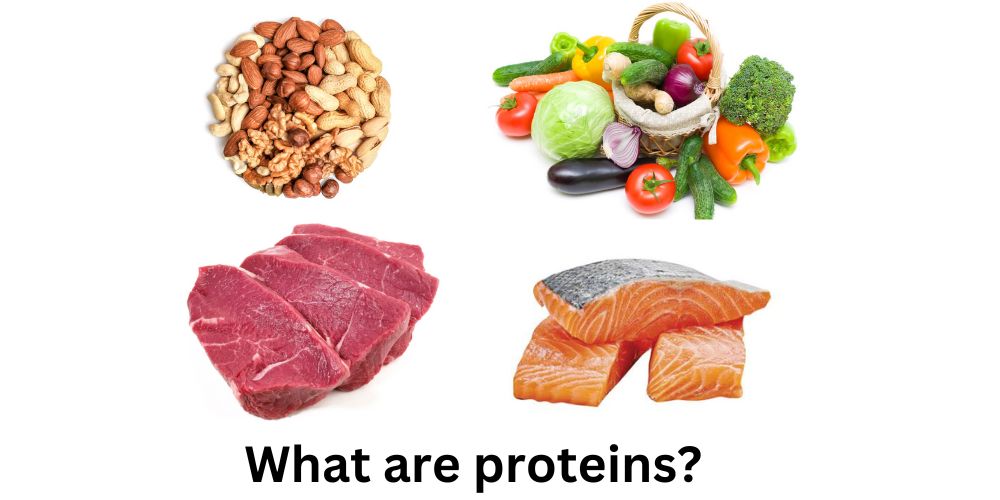
There are various types of protein. You’ve got structural proteins including hair, fingernails, muscles, skin, tendons, bones and collagens. Carrier molecules or transport proteins include hemoglobin, antibodies, serum albumin and cytochromes. Messenger proteins facilitate communication between cells in different parts of your body. Many of these are hormones including insulin, oxytocin and vasopressin. Additionally, enzymes perform one of the most important protein functions in your body, and that is to catalyze and control chemical reactions that take place.
Amino Acids
Proteins are made up of small molecules called amino acids, 20 of them to be exact. Of these 20, 9 are essential and this means they must be obtained through the foods you consume because your body can’t synthesized them internally. Others are able to be synthesized by the body from other amino acids. These are non-essential, meaning they don’t have to come from your diet.
What is a simple definition of protein?
Here’s the awesome thing about function of protein. When you eat something of protein, let’s say a drum stick, during the digestion process your body takes the protein molecules and breaks them down into the 20 basic building blocks (amino acids) from which they were made. Then your body absorbs them and transports them back into your cells where they get reassembled and rebuilt into the specific proteins that your body is needing at the time.
Complete and Incomplete Proteins
We will now know what foods are protein? It’s very important to eat protein foods that provide all 20 amino acids (essential and non-essential) your body needs for the protein-making process.
Complete proteins contain sufficient amounts of all of the essential amino acids and are found in most animal proteins including meat, poultry, fish, milk, cheese and eggs.
Your body doesn’t need very much animal protein to maintain excellent health. Recommendations for a diet low in animal proteins are the healthiest ones.

Incomplete proteins contain just few of the essential amino acids. These are found in foods such as grains, nuts, legumes and leafy green vegetables.
A complete sources of protein can be made by mixing together incomplete proteins found in plant foods. It’s much healthier to get a good percentage of your daily protein needs from grains, nuts, legumes, etc.
Why adequate protein is so important
The following are some of the advantages of adequate protein intake:
- Your cells function normally and keep themselves in constant repair.
- Your posture and step improves because of strong and well-nourished muscles.
- You find yourself less fatigued because energy is readily produced and sustained.
- Antibody and white blood cell production increases resistance to diseases and infections.
- Your digestive system works more efficiently. Enzymes are made of protein.
- Proteins help to prevent your body fluids from becoming too acid or alkaline.
- Proteins are the raw material from which most of your body’s hormones are made.
- Proteins are necessary in helping your blood to clot.
Dietary protein recommendations
The Recommended Dietary Allowance (RDA) of protein for both men and women per day is 0.80 g of good quality protein per kilogram (2.2 lbs.) of body weight. The World Health Organization’s recommended protein levels are half of the U.S. levels, and this is because U.S. levels include a “safety factor” margin of 30%.
Pregnant and nursing women require about 30% more. Children need as much as adults, because they are growing. A rapidly growing child can require two to three times more protein than an adult by weight.
Protein requirements are also higher for the elderly, and for anyone undergoing a period of increased tissue repair due to serious illness, injury or stress of a severe nature because of pain, hospitalization, surgery or trauma.
If you’re vegan and eat plant proteins only, it’s not as easy for your body to metabolize plant protein as it is to metabolize animal protein. To make up for this, you should consider eating more plant protein and calculate adding 25% more to make up for the difference.
The following gives a very general idea of protein amounts needed at various ages of life:
| Age | Protein per lb. | Protein needs |
| Birth – 6 mo. | 1 gm | 13 gm |
| 6 mo. – 1 yr. | .75 gm | 14 gm |
| 1 yr. – 6 yr. | .6 gm | 16 – 24 gm |
| 7 yr. – 15 yr. | .5 gm | 28 – 50 gm |
| Adults | .36 gm | 50 – 60 gm |
Too much or too little protein
Your body doesn’t store amino acids in the same way it stores fats and carbohydrates. This is why it requires a daily supply of amino acids so that it can make new protein for your body’s needs. The typical Western diet provides adequate protein, so if you’re a healthy individual, you’re most likely getting all the protein you need and more.

But it is important to note that too much or too little protein is a recipe for problems. A swing in either direction can be detrimental to your health and will, over the long run, affect your body negatively.
Too much protein
Unless you are purposefully overdosing on the proteins as part of a high protein weight loss program or muscle building regime (generally unwise to do and potentially harmful), you are most likely not getting what would be considered too much protein in your diet.
If you eat more protein than your body needs (which is possible but not probable), the liver first takes amino acids from your blood to fill the storage depots for future use. After that, whatever is left over is changed into glucose and fat by the liver, and the nitrogen is then excreted through the kidneys.
However, a persistent high protein diet (more than thirty percent above the recommended daily allowances) can be extremely harmful to your health. Consuming excess protein overburdens and congests your cells and tissues to the point that they become toxic. This, in turn, contributes to the development of mineral imbalances, liver and kidney disorders, growth of cancer cells, arthritis, gout, pyorrhea, digestive problems, arteriosclerosis, heart disease, osteoporosis and other calcium deficiencies.
Too little protein
It’s just about impossible to be protein-deficient on a diet that is adequate in calories and healthy and balanced. But if you’re prone to fad diets or erratic and negligent eating habits, you may not be consuming adequate amounts of protein that your body requires on a daily basis.
A diet insufficient in proteins will cause your body to break down its own proteins, resulting in muscle-wasting (this includes your heart muscle and other internal organs), skin problems, hair thinning and shedding, and a generally unhealthy and tired appearance. It will cause stunted growth in children and poor mental development.
Protein-calorie malnutrition (also referred to as PEM or protein-energy undernutrition) results from not consuming enough protein and calories for a long time. Although not as common in the Western world, too little protein in the diet and the resulting malnutrition continues to be a problem in many parts of the developing world. There are two main forms of protein-energy undernutrition:
- Marasmus is a severe deficiency of calories and protein, particularly in infants and very small children, that results in dehydration and weight loss of up to 80% of normal body weight. Children with marasmus become emaciated.
- Kwashiorkor is not as common as marasmus. It is thought to be caused by insufficient protein intake and generally occurs in children between the ages of 1 and 4 years old, but can also occur in older children and adults. A child with kwashiorkor will typically have a swollen abdomen.
Bottom line
You are made up largely of proteins and the role they plays in building and maintaining health is HUGE. That’s why it’s important to select the right kinds of proteins and achieve a healthy balance of protein intake to promote health.
Adelle Davis summed it up beautifully when she said,
“To obtain too little protein is a mark of carelessness or ignorance; to obtain too much is foolish and expensive; to obtain an adequate amount is to stay young for your years.”
Adelle Davis


