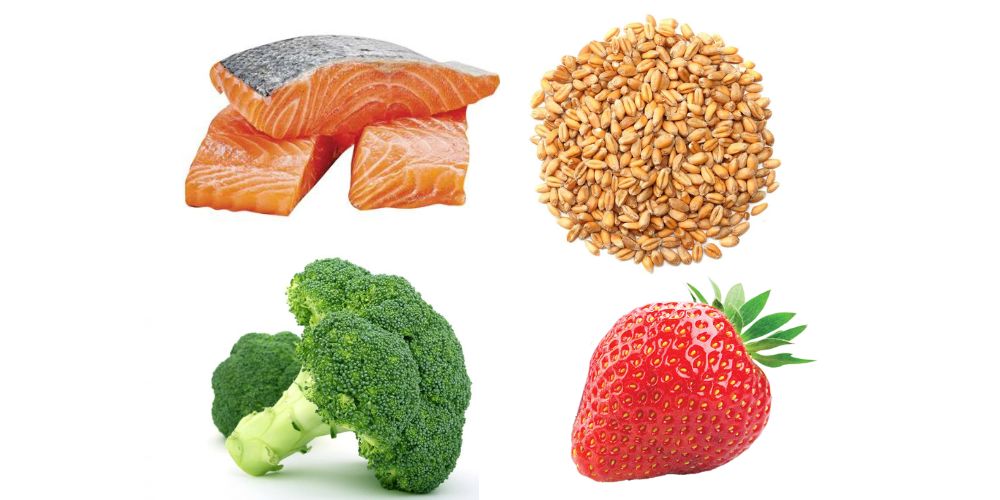
Carotenoids could be the word which describes the big selection of over 600 pigments which give many their characteristic red, orange or yellow colouring to plants. Amongst those most often seen in contemporary Western diets are beta-carotene, alpha-carotene, lutein, zeaxanthin, and lycopene.
Since these could be synthesized from the entire body to create vitamin A, that’s really one of the immune-system boosters, body’s most potent anti-oxidants and infection fighters most focus is paid to alpha-carotene and beta-carotene.

Indeed, the signs now shows these lesser-known carotenoids also function as precious fat soluble antioxidants inside the human body. Lycopene, in particular, is now even believed to result in most of the functions formerly credited to betacarotene.
Study indicates that as a tremendously fat soluble antioxidant, lycopene is especially important in preventing free-radical injury to the fragile but critical fatty structures of the human body’s cells, like the membranes.
Benefits of Lycopene
Like betacarotene, lycopene has also created much excitement as a possible weapon against cancer, likely due to the basic antioxidant function, but also due to the proven function in keeping open the pathways between cells that are critical to enable the immune-system to kill-off cancer cells within the first phases of the disorder.
I.E. one comprising appreciable amounts of processed tomatoes. Other research have since indicated a function for lycopene in combatting lung, gut, colon and breast cancer; in avoiding cardiovascular disease, and as an immune-system booster.
Unfortunately the eating of the diet rich in lycopene presents practical difficulties which don’t appear against the better-known carotenoids, betacarotene and alpha, since it’s not nearly so broadly accessible common foodstuffs. It’s lycopene which gives their characteristic bright red colour to tomatoes, which is this fruit that’s unquestionably the richest source.
A helping of raw tomatoes, by comparison, will give only 5,000.
Precisely what your system doesn’t want if you are seeking additional protection to your heart and cardiovascular system.

Additionally, it must be recalled when planning a rich diet that, just like several other carotenes, the absorption requires the existence of dietary fat. This isn’t very simple to reach with tomatoes unless you are considering the sort of meat and tomato sauce generally eaten with pasta, or smothering a greasy meal with ketchup. Nothing wrong with either alternative in moderation obviously, but they are barely healthy means to find the lycopene you’ll need each day.
Therefore tomato juice in the purest form potential is likely the greatest way of getting critical dietary lycopene. That Bloody Mary with accompanying potato chips might do you a little great after all!

Supplements including lycopene are also easily available alternatively, but views are split regarding their usefulness.
Traditional medicine will take the value of the diet rich in carotenoids, but claims the positive results may be caused by variables related to such diets besides the carotenoids themselves. Alternative practitioners, obviously, acknowledge to no such uncertainties and are so convinced of the advantages of particular carotenoid supplementation.
Whilst actually, the tips for greatest advantage seems to be to join supplementation with a regular everyday diet currently well furnished with lycopene rich foods.