What nutritional foods you should eat for a healthy heart? Nutrition plays a big part in determining our health, and thus our life. A poor diet is a major contributor and the root cause of many serious illness, such as heart disease.
Heart attacks are one of the major cause of death for both men and women across the globe.
What food should we eat for a healthy heart?
What type of food should you include in your diet to prevent heart disease? What are the types of nutritional components in food, which are normally associated with prevention of heart attacks? Let’s learn about some foods which contain certain nutrients which may help reduce various heart complications:
Omega 3 lowers risk of heart disease
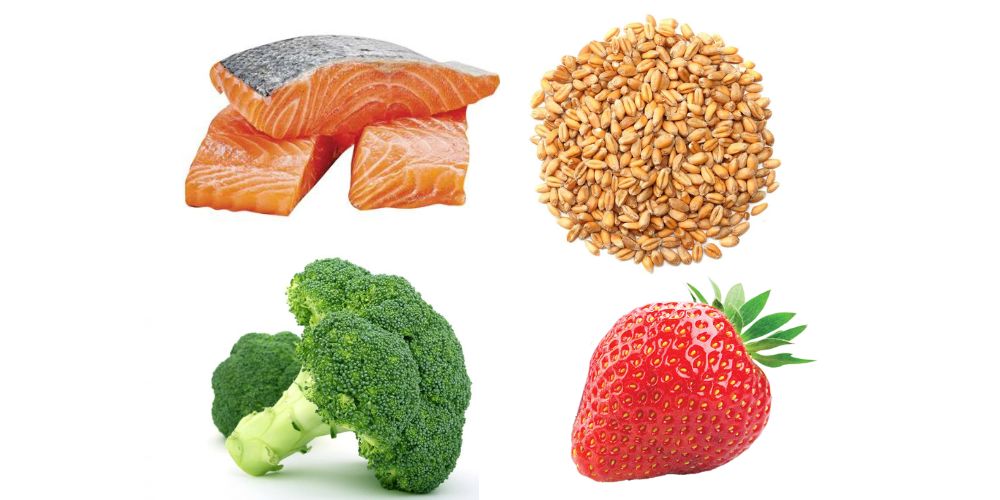
Omega 3 is an essential polyunsaturated fatty acid found in fish, especially oily fish such as salmon, cod, sardines and tuna. It is able to lower blood triglyceride (a risk factor for heart health) and prevents blood clotting, thus boosting cardiovascular health. For the non-fish lovers, lax seeds, canola, walnuts and soybeans are also rich sources of omega 3.
The American Heart Association recommends taking at least two servings of oily fish per week, or a handful of nuts a day, to reduce risk of heart disease.
Benefits of garlic for heart health
Garlic is an excellent addition in a diet to prevent heart disease. Garlic is known to prevent platelets from sticking together and thus reducing risk of plaques forming in the arteries. It is lipid-lowering, anticoagulant, antioxidant and antiviral.
Just taking 1 fresh clove of minced garlic a day is enough to reap its numerous health benefits. Minced garlic can be sprinkled onto spaghetti, meat dishes, vegetables or salads, just before serving.
Another way to include garlic in your diet is to use garlic powder to marinade meats, together with spices and herbs.
Fruits and vegetables protect your heart
Fruits and vegetables, rich in antioxidants, vitamins A, C and E, help fight oxidative stress, damage done to cells and DNA caused by free radicals. Cell damage can lead to heart disease.

Fruits and vegetables are also rich in the cholesterol-lowering phytosterols and soluble fibers, all contributing to heart health.
Beets are good sources of betaine and folate and these two nutrients work together to reduce levels of homocysteine, a type of naturally occurring amino acid that can cause harm to blood vessels, which in turn lead to heart disease. Therefore, beets could be a wise option to eat for a healthy heart.
It is recommended to take at least four servings of fruits and vegetables a day. A smoothie consisting of a few types of fruits, blend together with plain yogurt, makes a healthy breakfast food.
Wholegrain foods reduce risk of heart disease
Wholegrain foods are another great addition into daily diet to prevent heart disease. Wholegrain foods were found to reduce the risk of developing heart disease by 25 percent, in a study published in the American Journal of Public Health, by a group of 34,0000 post menopausal women, who ate at least one serving of wholegrain food a day.

Whole grains supply your body with vitamins and heart-protecting phyto-chemicals as well as insoluble fiber which aids digestion and prevents constipation. Wholegrain cereals are healthy choices for breakfast.
Bottom line
Healthy heart is the key to improve your overall health condition. At this point you may have some ideas on what food you should eat for a healthy heart.
With advances in science and nutrition as well as advances in treatment of diseases, we can now better detect and take steps to prevent them and thus have the opportunity to enjoy a healthier and longer life compared to our ancestors. Happy healthy eating!