What is fiber? Why fiber is important? Is it same as fibre? Trick question, they are the same thing! (fibre is just the British version). Fiber is a type of carbohydrate that our bodies are unable to break down into calories, therefore, it is a calorie free food nutrient. Although our bodies cannot break it down into fuel, the bacteria in our digestive system can!
In this article we will learn about what is the importance of dietary fiber and what it does into our body.
Why Fiber Is Important For Your Health?
Fiber is an essential nutrient and it is recommended for an adult to consume 25-38 grams of fiber each day. Unfortunately, Americans on average consume 14-18 grams per day which is less than HALF of the recommended amount (~32 grams if you take the median of the range)! Here are five reasons why dietary fiber is important and why it is recommended to get 25-38 grams of fiber a day:
Bowel regularity – The most well-known benefit
Enough fiber and fluids in your diet help prevent constipation which is defined as a condition in which you may have fewer than three bowel movements a week; stools that are hard or dry; stools which are stressful to pass; or a feeling of all stool has not passed.
Maintaining regularity may play a key role in the prevention of colon cancer and inflammatory bowel disease.
Fiber promotes a healthy microbiome
Inside of your large intestines, or colon, is where a large portion of the bacteria in the gastrointestinal tract live. These bacteria need fuel just like we do and there are certain types of fiber that provide that fuel.
Research has shown that inulin and oligofrutose fibers found in chicory root are the best sources of prebiotics. Thus, promoting a diverse and healthy microbe flora in the gut and preventing pathogenic bacteria from taking over.
Fiber helps control blood sugar
Although dietary fiber is technically a carbohydrate, it is not able to be broken down by our bodies into sugar (glucose) due to humans not having the proper enzymes for this biochemical reaction.
When chicory root fibers (a component of plant foods-inulin fibers) reach the large intestine, the fermentation process begins due to bacteria; through biochemical reactions the fibers are metabolized into short chain fatty acids (SCFAs). These SCFAs nourish the beneficial bacteria particularly, Bifidobacteria and Lactobacilli strands.
There is evidence supporting the idea that these SCFAs within the gut, liver, and pancreas can help insulin production and decrease insulin resistance; causing lower blood sugar levels.
Do not confuse inulin with insulin, inulin is a fiber but insulin is a hormone needed for cells to use glucose for energy and reduce blood sugar levels. Studies have shown that the more fiber a diabetic consumes, the easier it is to manage blood sugar levels.
Fiber supports strong bones (Yes, fiber! It’s not just calcium & vitamin D)
While adequate calcium is essential to bone health due to being one of the minerals that make up bones, chicory root fibers (inulin) help support calcium absorption. As we read above, SCFAs are made by fermentation from bacteria in the colon.
The presence of SCFAs in the colon help create a more acidic environment and inhibits the growth of acid-sensitive pathogens, which had been shown in studies to increase calcium absorption.
Fiber promotes weight maintenance
Right amount of fiber is important if you want to maintain a good body weight. When foods contain dietary fiber they have additional volume without added calories. Therefore, they can make you feel fuller and in turn may influence you to consume less without restrictive eating.
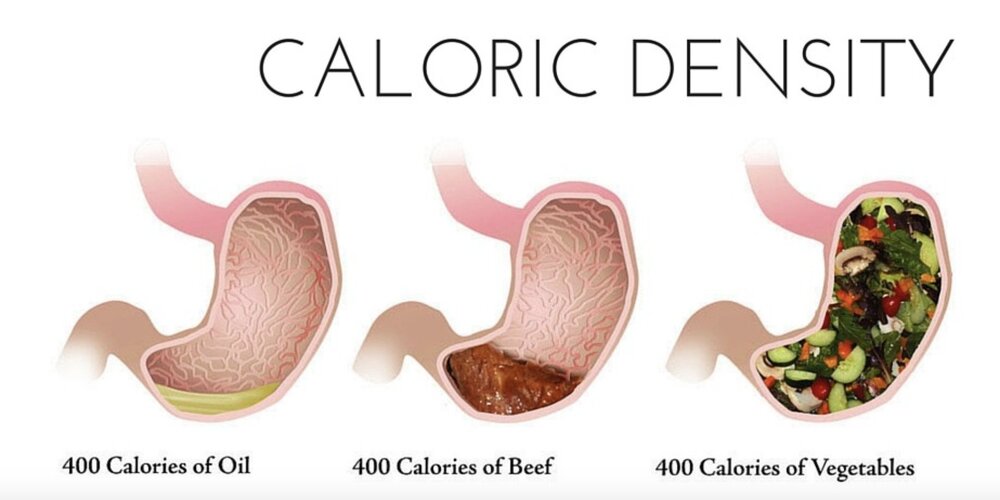
Furthermore, the production of SCFAs from prebiotic inulin fiber provide additional benefits. They help to increase the production of satiety hormones which aid in appetite regulation-i.e. they help influence you to consume less without feeling hungry!
Best Food Sources of Prebiotic Fibers:
Below you will find some of the best healthy food sources of prebiotics or inulin fibers. Some of the items listed can be found in supplemental form (in a pill) but like most things in the diet, food sources are your best sources.

There are many reasons for this but one of the biggest ones is that supplements are not regulated therefore, they have the potential to contain harmful ingredients that are not disclosed or contain different items than advertised. Supplements that have the NSF international symbol are tested for safety and quality.
Fiber rich foods:
- Dandelion greens (add to a salad)
- Jerusalem Artichoke
- Garlic
- Onions
- Leeks
- Asparagus
- Bananas (the greener, the higher amount of inulin)
- Barley
- Oats
- Apples
- Cocoa
- Flaxseeds
- Jicama
- Wheat bran
If you have digestive issues
It is may be necessary to increase the amount of fluids you consume when increasing the amount of fiber you consume.
Otherwise, too much fiber without adequate fluid can cause worsened constipation. General recommendations for water is 8-10 cups or 64-80 ounces per day. Additionally, if you are an individual who often deals with bloating issues then, fermentable fiber rich foods (the above list) may need to be limited.
Bottom line
That’s it. At this point you may have an idea why fiber is important and what it does to your body. However, dietary fiber needs differ from person to person. If you have bloating/digestive issues it may be wise to seek individualized advice from a healthcare professional. Happy healthy eating!


